
 By
By 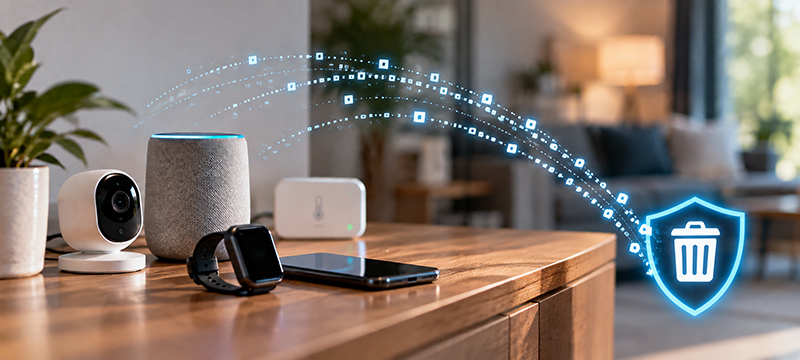
The Hidden Expansion of Your Digital Presence
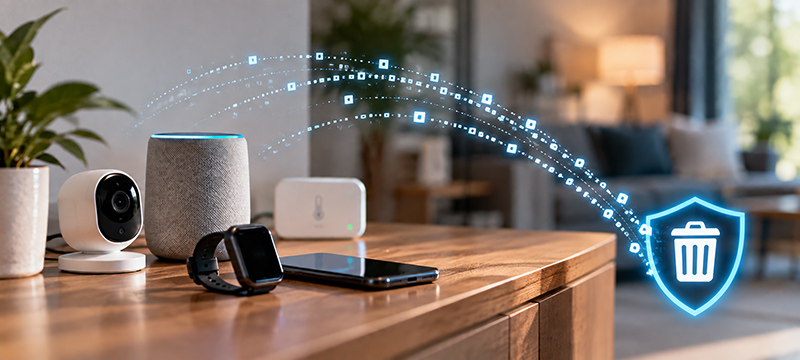
Smart devices surround you. Your phone tracks location. Your smartwatch monitors health metrics. Your home security cameras record activity. Connected appliances transmit usage patterns. Each device collects data constantly without your awareness.
This expansion happens quietly. Your digital footprint keeps growing as personal data moves across websites, apps, connected devices, and data brokers. Many of these companies collect, combine, and resell information to third parties, creating detailed profiles that users rarely see. That is why data privacy increasingly depends on knowing where personal information appears and how to remove it. ClearNym helps identify exposed records and submit removal requests to data broker sites on a user’s behalf, reducing the need to contact each site manually.
Understanding Data Broker Operations
Data brokers operate in shadows most people never see. These companies compile information from public records, social media, financial transactions and IoT devices. They maintain vast databases containing personal information from data brokers linked to names and addresses.
A single smart device generates removal requests waiting processing. Your fitness tracker creates dozens of data collection points. Your connected car shares location data with manufacturer servers. Your smart home system records when you arrive and leave. The scale is staggering. Hundreds of data brokers operate globally collecting your information. Many data brokers include networks sharing data across platforms. This interconnected ecosystem means your personal data from broker sites appears in multiple locations simultaneously.
Brokers continuously acquire new data from IoT devices. A new data broker emerges weekly buying information from existing networks. The number of data brokers grows annually making comprehensive removal increasingly difficult. Yet removal remains necessary to protect your data.
IoT Devices and Data Collection Overview
| Device Type | Data Collected | Collection Frequency | Primary Recipients | Risk Level |
|---|---|---|---|---|
| Smartphones | Location, contacts, apps, photos | Continuous | OS provider, apps | High |
| Smartwatches | Health metrics, location, activity | Every minute | Fitness platforms, insurers | High |
| Security Cameras | Video, timestamps, access patterns | Continuous | Cloud providers, brokers | Critical |
| Smart Speakers | Voice recordings, commands, contacts | On trigger | Tech companies, advertisers | High |
| Connected Cars | Location, speed, driving habits | Continuous | Manufacturers, insurance | Critical |
| Fitness Trackers | Exercise data, heart rate, sleep | Hourly | Health apps, brokers | High |
| Smart Thermostats | Temperature, occupancy, schedules | Every 5 minutes | Utility companies, brokers | Medium |
| Connected Appliances | Usage patterns, preferences, timing | Daily | Manufacturers, brokers | Medium |
Why Traditional Data Removal Proves Inadequate
Manual removal remains exhausting and incomplete. You contact one data broker and receive confirmation. Then you discover your personal information from data brokers elsewhere online. Manual requests to data brokers lack efficiency. Response times vary dramatically across broker websites. Some acknowledge your removal requests within weeks. Others ignore messages entirely. Some sites require complex verification procedures consuming hours.
Identity theft protection offers incomplete solutions. Monitoring services alert you after damage occurs rather than preventing exposure. Removal with identity theft protection combines both approaches yet leaves gaps. A data removal service streamlines this through automated data removal. Rather than sending hundreds of individual emails, one submission handles outreach to multiple brokers. Automated data removal services track removal status and send follow-up requests when brokers fail to respond.
Understanding Guide to Data Removal Services
The best data removal service requires careful evaluation. Popular data removal services vary dramatically in approach and effectiveness. Some focus on major brokers while others target hundreds of smaller sites. Data removal services work by contacting brokers with opt-out requests to data brokers on your behalf. This removes the burden of manual contact from you. Services charge varying fees depending on coverage and monitoring duration.
Limitations of data removal services remain significant. Brokers continually acquire new data from IoT devices making removal temporary. Data removed from websites often reappears months later as new information arrives.
Services that offer comprehensive coverage provide best services for most users. Evaluate data removal companies based on broker coverage and follow-up procedures. Best data removal services contact brokers multiple times until compliance occurs.
IoT Security Vulnerabilities and Data Breach Risk
Smart devices create security gaps manufacturers rarely acknowledge. Connected devices communicate through networks often lacking encryption. Hackers intercept this unencrypted data easily. Your location and activity become accessible to criminals online.
Many IoT devices run outdated software never receiving security updates. This vulnerability persists indefinitely creating permanent exposure. A single compromised device provides an entry point to access other connected devices.
Password reuse across devices multiplies vulnerability dramatically. Using identical passwords on your smartwatch and fitness app means one breach compromises everything. Weak passwords combined with inadequate security creates perfect conditions for data theft.
Personal data is exposed through multiple pathways simultaneously. Contact data brokers directly to understand what information they maintain about you. Request the removal of compromised data immediately after discovering a data breach.
IoT security vulnerabilities:
- Unencrypted data transmission
- Outdated software without patches
- Default passwords never changed
- Poor manufacturer security practices
- No authentication requirements
- Inadequate data storage protection
The Relationship Between IoT and Data Brokers
IoT devices feed data broker networks continuously without pause. Manufacturers sell aggregated data to brokers generating additional revenue streams. Your personal data becomes a commodity traded between companies constantly. Data brokers aggregate IoT information with other sources purchased from third parties. They combine your location data from phones with health information from wearables. They match this with purchase history and web browsing patterns.
Request the removal of your data from brokers yet new information arrives constantly from active IoT devices. If you don’t remove your data while still using these devices, new data collection resumes immediately. This creates endless cycles of exposure. Device manufacturers collect your data as standard practice without prominent disclosure. They share this information with data brokers and advertising networks extensively. Submit custom removal requests yet removal remains temporary if devices continue transmitting data.
Many data brokers and people-finder sites operate simultaneously targeting the same individuals. Control over your personal data requires understanding these interconnected systems.
Effective Data Removal Strategies for IoT Users
Start by identifying which devices in your home collect data continuously. Most users underestimate the number of connected devices monitoring their activity. Count not just obvious devices like phones and tablets. Create an inventory of all connected devices and their data collection practices. Document what data each device collects and where it flows. Research manufacturer privacy policies to understand information pathways.
Contact data brokers directly requesting removal of your data from their systems. Locate each broker’s removal process which varies dramatically across broker websites. Some brokers operate custom removal request portals within their interfaces. Others require email submission to privacy departments. Document every removal request you submit to brokers. Record dates, contact methods and responses received. Track which brokers confirmed removal and which never responded.
Send removal requests to data brokers and people-finder sites systematically. Personal information from data brokers continues spreading unless actively addressed. Submit custom removal requests to each identified broker individually.
Steps for removal of your data:
- Audit your digital presence across data broker sites
- Identify which brokers maintain your personal information
- Document broker contact information and removal procedures
- Submit initial removal requests to identified brokers
- Wait for broker responses and removals to process
- Follow up with non-responsive brokers after 30 days
- Monitor for data reappearance and submit removal requests again
- Review IoT device settings to limit future data collection
Best Data Removal Service Selection
Choosing the best data removal service starts with checking what services charge, what they cover, and how they handle follow-up work. Data removal services of 2026 often combine broker removals with identity theft monitoring, yet coverage still varies. Some tools focus on visible broker profiles, while broader services track private data brokers, send opt-out requests to data brokers, and show data broker removals status through a free scan. Automated data removal saves time because it submits requests on your behalf, tracks progress, and sends follow-up requests when information returns.
Getting your data removed through removal services can reduce a heavy manual workload, especially when many sites hold the same records. Data removal services are worth considering when manual forms feel endless or when personal information appears after a data breach. A personal data removal service should be judged by coverage scope, privacy practices, security measures, and reporting quality. Data removal services cost ranges from basic plans to fuller monitoring, while dark web and data monitoring adds another layer for people whose details were compromised in a data breach.
Comprehensive Data Removal Strategy Implementation
Personal data removal requires a multi-pronged approach addressing both current and future exposure. Address data already online while simultaneously preventing new data collection. Manage your IoT devices to limit ongoing information generation. Start with a comprehensive audit of your online presence systematically. Search for your name across major data broker websites. Most brokers display your information publicly making discovery straightforward. Document the extent of your exposure before beginning removal.
Send removal requests to data brokers and people-finder sites methodically. Hundreds of data brokers exist so removal requires patience and persistence. Create spreadsheet tracking broker names, contact methods and response dates. Review IoT device settings after removal completion thoroughly. Disable location sharing where possible. Turn off personalized advertising and data collection features. Review manufacturer privacy policies and opt out of optional data sharing programs.
Monitor your digital presence quarterly after removal efforts conclude. Search your name periodically to catch any reappearing information. Set up alerts notifying you when your information surfaces online again.
FAQ
Can IoT devices compromise my entire home network security?
Yes. One compromised IoT device provides entry point to access other connected devices. Hackers stealing your personal data attempt accessing others. Weak passwords amplify this risk substantially.
Do data removal services eliminate data removed from the dark web?
Data removal services focus on standard data broker sites and people-finder sites. Dark web monitoring requires separate protection services. Comprehensive protection combines removal services with dark web monitoring.
How often does new data from IoT devices reach data brokers?
Data transmission varies by device and manufacturer. Some devices send information continuously throughout the day. Others transmit data weekly or upon user interaction. Regardless of frequency your information continuously flows to brokers.
Should I disconnect all IoT devices after data removal?
Complete disconnection proves impractical for most users. Instead review each device’s necessity and adjust privacy settings. Disable non-essential data collection features. Replace devices with privacy-focused alternatives when possible.
What happens if removal requests go unanswered by brokers?
Follow up after 30 days with reminder requests. Document non-compliance for potential legal action. Reference applicable privacy regulations in follow-up messages. Persistence increases compliance rates over time.
The post How IoT Devices Expand Your Digital Footprint and Why Data Removal Matters appeared first on IoT Business News.