
 By
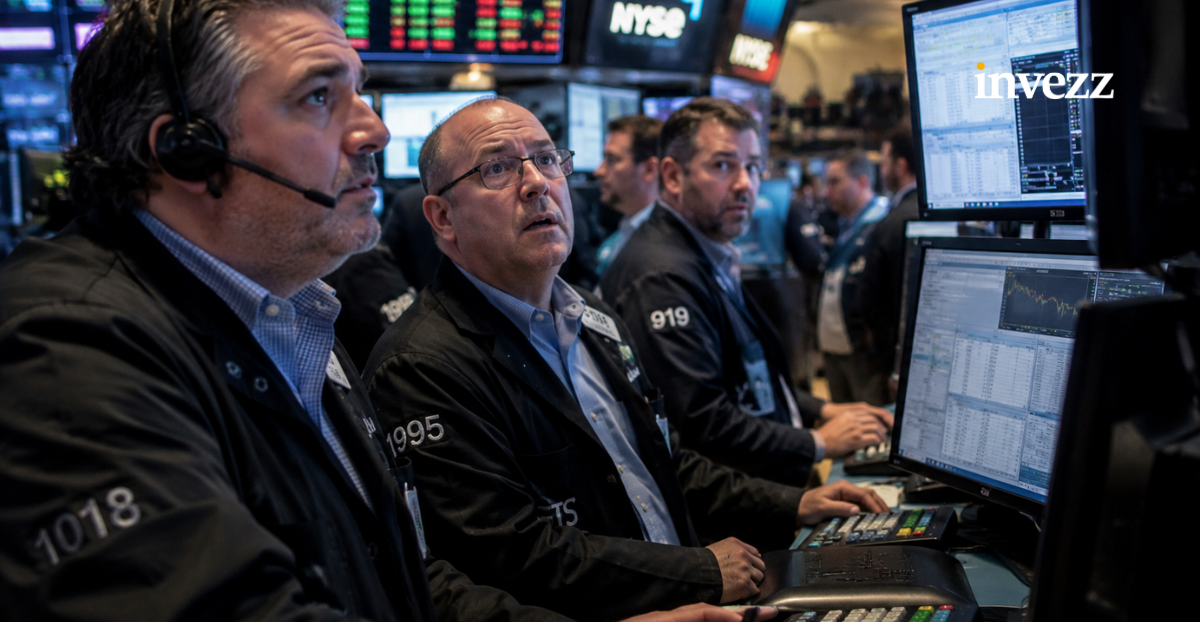
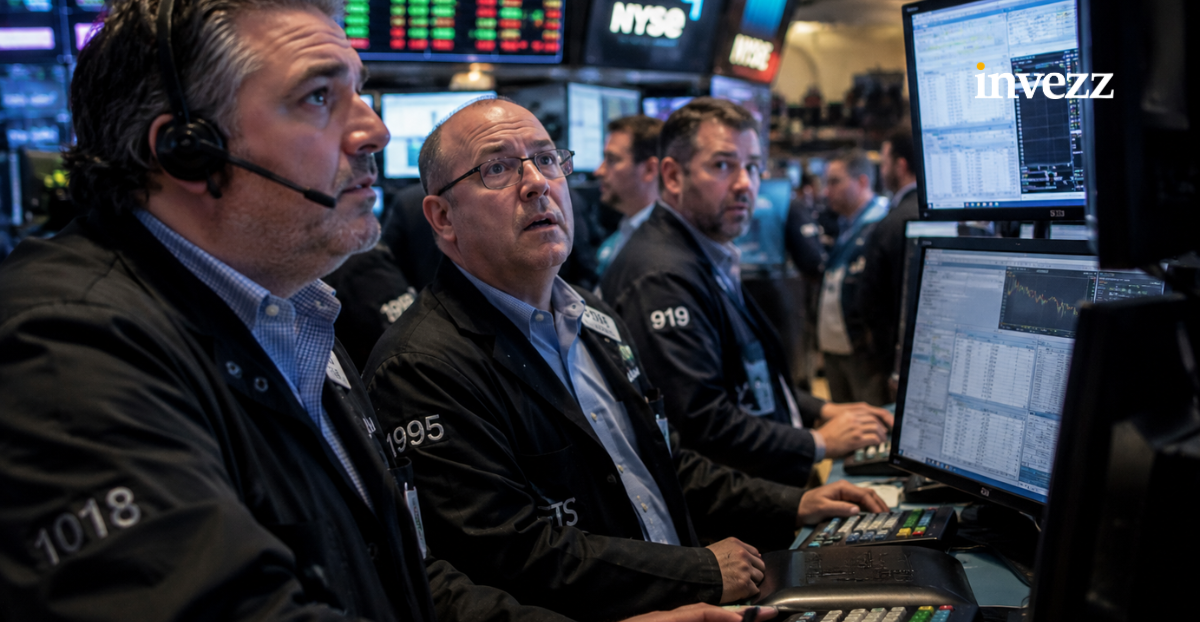
US stock futures fell on Friday as investors sought refuge in Treasuries after Wall Street’s sell-off, while contrasting earnings from Intuit and Gap highlighted an uneven corporate outlook.
Nasdaq 100 futures dropped 1.15%, or 360 points, while S&P 500 and Dow contracts lost 0.5% and 0.1%.
The losses followed Thursday’s 1,101-point Dow slump and a 2.02% fall in the S&P 500.
A retreat in government bond yields pointed to demand for safety, despite bets on higher Federal Reserve rates.
5 things to know before Wall Street opens
1. Intuit slides as Mailchimp sale exposes growth concerns
Shares in the TurboTax and QuickBooks owner tumbled roughly 10% in pre-market trading despite quarterly revenue rising 12% to $4.35 billion and adjusted earnings reaching $2.91 a share.
Intuit agreed to sell Mailchimp to Bending Spoons for $3.68 billion, versus roughly $12 billion paid in 2021.
It also lowered its fiscal 2027 sales forecast to $23.08 billion–$23.37 billion, reflecting weaker expectations for Credit Karma.
Management plans to use the cash proceeds for buybacks once the deal closes in early 2027.
2. Gap rises, but its consumer warning tempers enthusiasm
The clothing retailer gained around 3%–4% following adjusted quarterly earnings of 82 cents a share, ahead of the 78-cent analyst estimate.
Sales rose 2% to approximately $4 billion. Its namesake brand posted 9% comparable-sales growth, while Old Navy was flat and Athleta remained weak.
Gap nevertheless reduced its full-year adjusted earnings forecast to $2.29–$2.34 a share, citing a slower start to the holiday quarter.
BJ’s Wholesale Club reports before Friday’s opening bell, providing another snapshot of shoppers looking for value amid pressure on discretionary spending.
3. Treasury yields drop even as rate-hike bets persist
The benchmark 10-year Treasury yield fell towards 4.99%, slipping below 5%, while the two-year yield moved towards 4.71% as demand for government debt strengthened.
Yields fall when bond prices rise.
Capital.com strategist Daniela Hathorn linked the shift to investors seeking safer assets amid a broad equity retreat, despite hawkish Fed expectations.
The move presents an important distinction: falling yields can reflect anxiety about growth, not necessarily confidence that policy easing is imminent.
4. Monthly options expiry raises the prospect of choppy trading
Friday marks November’s scheduled expiration for standard monthly US equity and index options.
Traders may close contracts, roll exposure into later maturities or rebalance hedges as expiry approaches.
Those adjustments can raise volumes and produce abrupt moves around widely watched index levels, particularly after Thursday’s broad sell-off.
The impact is not automatically negative: dealer positioning and the balance of buying and selling determine whether hedging amplifies or dampens swings.
5. Sentiment survey and Fed speeches provide the day’s macro test
The University of Michigan releases its final November consumer sentiment index at 10 am Eastern, after a preliminary reading of 51.0, up from October’s 48.0.
Investors will examine households’ inflation expectations as closely as confidence itself.
Fed Governor Christopher Waller is scheduled to speak at 8:25 am, with Governor Lisa Cook following at 12:15 pm.
Remarks suggesting inflation is proving stubborn could renew pressure on stocks, while signs of softer consumer demand may reinforce concerns about growth.
The post Nasdaq futures tumble 360 points: 5 things to know before Wall Street opens appeared first on Invezz