
 By
By 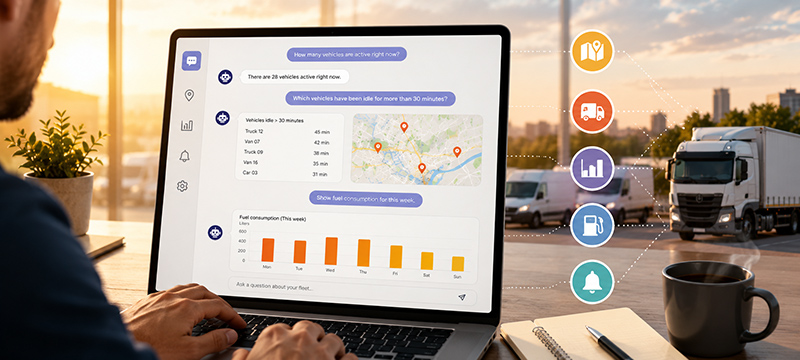
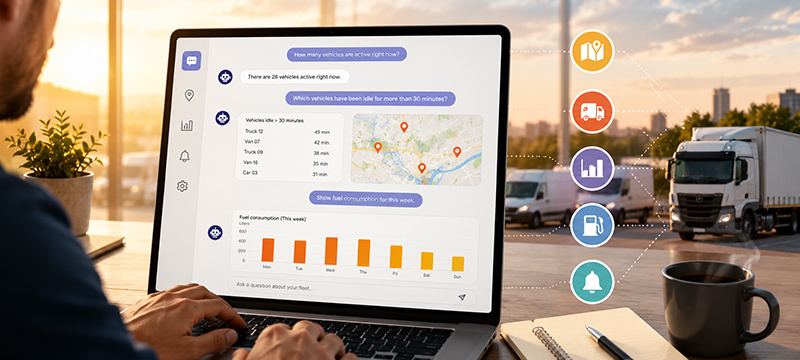
Wialon has launched a GPT-native fleet management app inside ChatGPT, positioning conversational AI as a new interface for telematics data rather than a separate reporting tool.
Fleet management systems have accumulated years of functionality: maps, alerts, fuel reports, driver behavior dashboards, maintenance records and increasingly complex analytics. For experienced dispatchers, that depth is useful. For managers who only need a quick operational answer, it can also mean navigating multiple screens or asking an analyst to extract the right report.
Wialon is addressing that interface problem with the launch of the Wialon GPT App, a native app available inside ChatGPT. The company describes it as the first fleet management platform to become available as a native ChatGPT app, a distinction that matters because it shifts the user interaction from a conventional telematics dashboard to a conversational environment already used for broader business tasks.
The announcement is not simply another AI feature added to a fleet platform. The differentiating point is architectural and user-facing: Wialon is placing fleet intelligence inside ChatGPT itself, rather than only embedding a chatbot into its own application or exposing a generic API for third-party developers. In practice, that makes ChatGPT a front-end through which fleet users can ask questions about operational data, subject to the app’s implementation and access controls.
That distinction is important for the IoT sector because telematics is one of the most data-rich branches of connected device deployment. Vehicles and mobile assets generate location updates, status events and operational records continuously. The problem for many organizations is no longer whether the data exists, but whether non-specialist users can retrieve the relevant answer quickly enough to support a decision.
Wialon’s move reflects a broader shift in enterprise IoT software: analytics are moving closer to natural-language workflows. Instead of expecting every user to understand report builders or platform-specific navigation, vendors are beginning to treat conversational prompts as an access layer for operational intelligence. In fleet management, that could be particularly relevant because the people asking questions are often spread across operations, finance, maintenance and customer service, not just dispatch.
There is also a practical trade-off. A GPT-native approach may reduce friction for users who need ad hoc answers, but it also makes governance more visible. Any business use of a conversational interface for fleet data has to account for permissions, data boundaries and the difference between a helpful summary and an auditable operational record. The press material positions the app as designed for business use, but Wialon has not provided technical specifics in the supplied announcement about authentication flows, administrative controls or the exact categories of fleet data exposed through the app.
For fleet operators, the immediate implication is a potential new way to interrogate Wialon data without starting from a dashboard. For system integrators, it points to a changing integration model: value may increasingly come from configuring data access, workflows and user roles around AI interfaces, not just connecting tracking devices and building reports. Connectivity providers and telematics service providers are less directly affected, but the development reinforces a trend in which raw vehicle connectivity becomes less visible to end users while the intelligence layer becomes more conversational.
OEMs and industrial companies using connected vehicles or mobile assets should read the announcement less as a standalone product launch and more as a signal about user expectations. If fleet data can be queried from a general-purpose AI interface, enterprise buyers may begin asking why other IoT operational data remains locked behind specialist dashboards.
Wialon has not disclosed deployment figures, performance claims or detailed technical specifications in the announcement. That restraint matters: the significance here is not a claimed improvement in routing, fuel efficiency or driver performance. It is the placement of fleet management inside a mainstream AI interaction model, which could change how operational users expect to consume IoT data.
The real test will be how the app handles business realities: permissions, data context, reliability of answers and integration into existing fleet workflows. But as an industry marker, Wialon’s GPT-native app shows that conversational AI is moving from generic productivity use cases into the operational layer of connected mobility.
The post Wialon Brings Fleet Management Queries Into ChatGPT With Native App appeared first on IoT Business News.