
 By
By 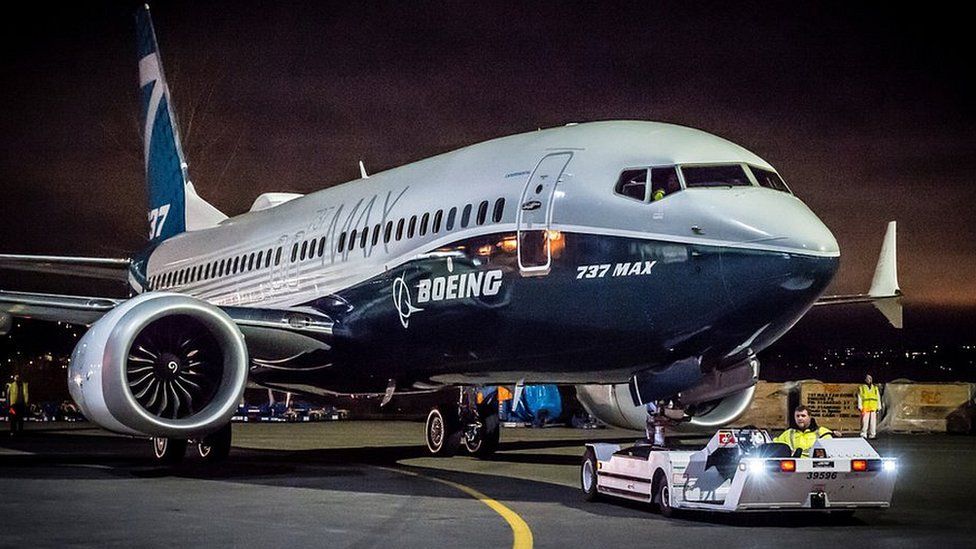
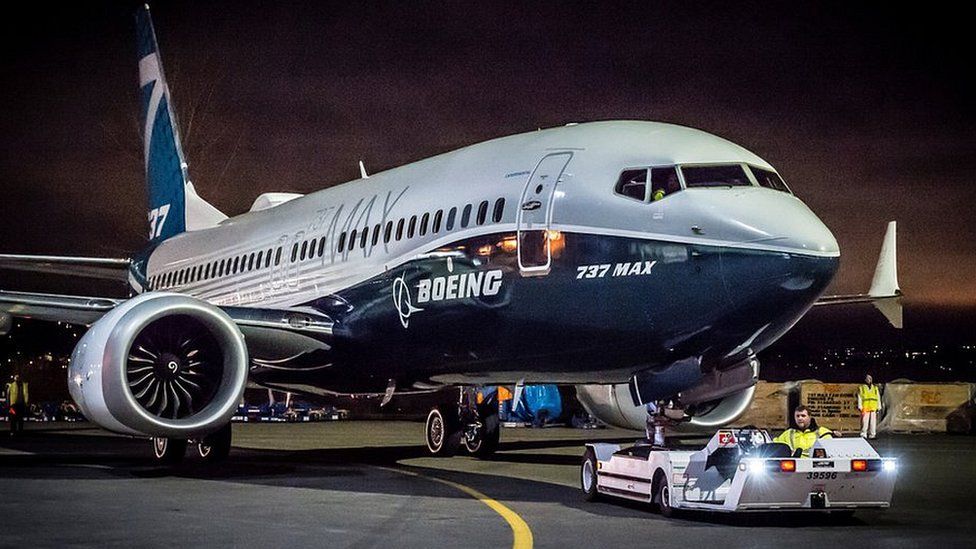
China confirmed it will buy 200 Boeing jets following the Trump-Xi meeting in Beijing, marking the US planemaker’s biggest breakthrough in the Chinese market in nearly a decade.
Beijing’s Commerce Ministry confirmed on May 20 that China plans to buy 200 Boeing aircraft, including GE Aerospace-powered jets and related parts.
For Boeing, it is the first major China breakthrough in nearly a decade.
For investors, the reaction was stranger as BA stock fell after the news, sliding about 4% when the order was first announced and remaining below pre-deal enthusiasm.
The deal that wasn’t big enough
A 200-aircraft commitment from China would normally be treated as a landmark win for Boeing.
The order reopens a market that had been largely frozen since Boeing’s last large Chinese deal in 2017, after years of trade tension, 737 MAX fallout, and Airbus gains in the region.
China’s Commerce Ministry framed the agreement as part of the consensus reached around the Trump-Xi Beijing summit, adding diplomatic weight to what is also a major industrial order.
But Wall Street had been looking for something bigger. The investors and analysts had been preparing for a possible 500-jet deal.
Against that whisper number, 200 aircraft looked less like a blockbuster and more like a down payment.
Boeing itself has described the agreement as an “initial commitment,” with no aircraft mix or delivery schedule disclosed.
That matters as a firm order for 737 MAX jets delivered over a defined timeline is one thing and a politically framed commitment with details still pending is another.
There is also the “options aren’t orders” problem.
President Trump has said the deal could eventually grow to as many as 750 aircraft, but markets generally do not capitalize diplomatic upside until it becomes contracted backlog.
Is the BA dip a buy opportunity?
The bullish argument starts with a different premise, as Boeing did not need China to prove the turnaround was working.
Boeing’s first-quarter 2026 results showed revenue rising 14% year over year to $22.2 billion, helped by 143 commercial deliveries.
The company also reported a record $695 billion backlog, including more than 6,100 commercial airplanes.
Debt fell to $47.2 billion from $54.1 billion at the end of 2025, reflecting repayment during the quarter, while cash and marketable securities stood at $20.9 billion.
That is why some bulls see the selloff as more of an expectations reset than a broken thesis.
24/7 Wall St argued that Boeing, trading around the $220 area, still had a buy case built around improving execution, a massive backlog and China as incremental upside rather than the core plan.
Boeing stock: Risks are keeping investors cautious
The caution is not irrational as Boeing remains a recovery story with very little room for another execution stumble.
The balance sheet is better than it was at year-end, but $47.2 billion of consolidated debt is still heavy for a company rebuilding production discipline.
The 777X remains delayed, with first delivery pushed into 2027 after years of certification setbacks.
That keeps pressure on cash flow and investor patience.
The analysts pointed out that China is also not a clean runway.
Airbus has deep local roots, including A320-family final assembly in Tianjin and a second line opened in 2025, targeted for full operation in early 2026.
That gives Airbus a strong industrial and political foothold in Boeing’s most important reopened market.
The post China confirms Boeing order: is the BA dip a buy opportunity? appeared first on Invezz