
 By
By 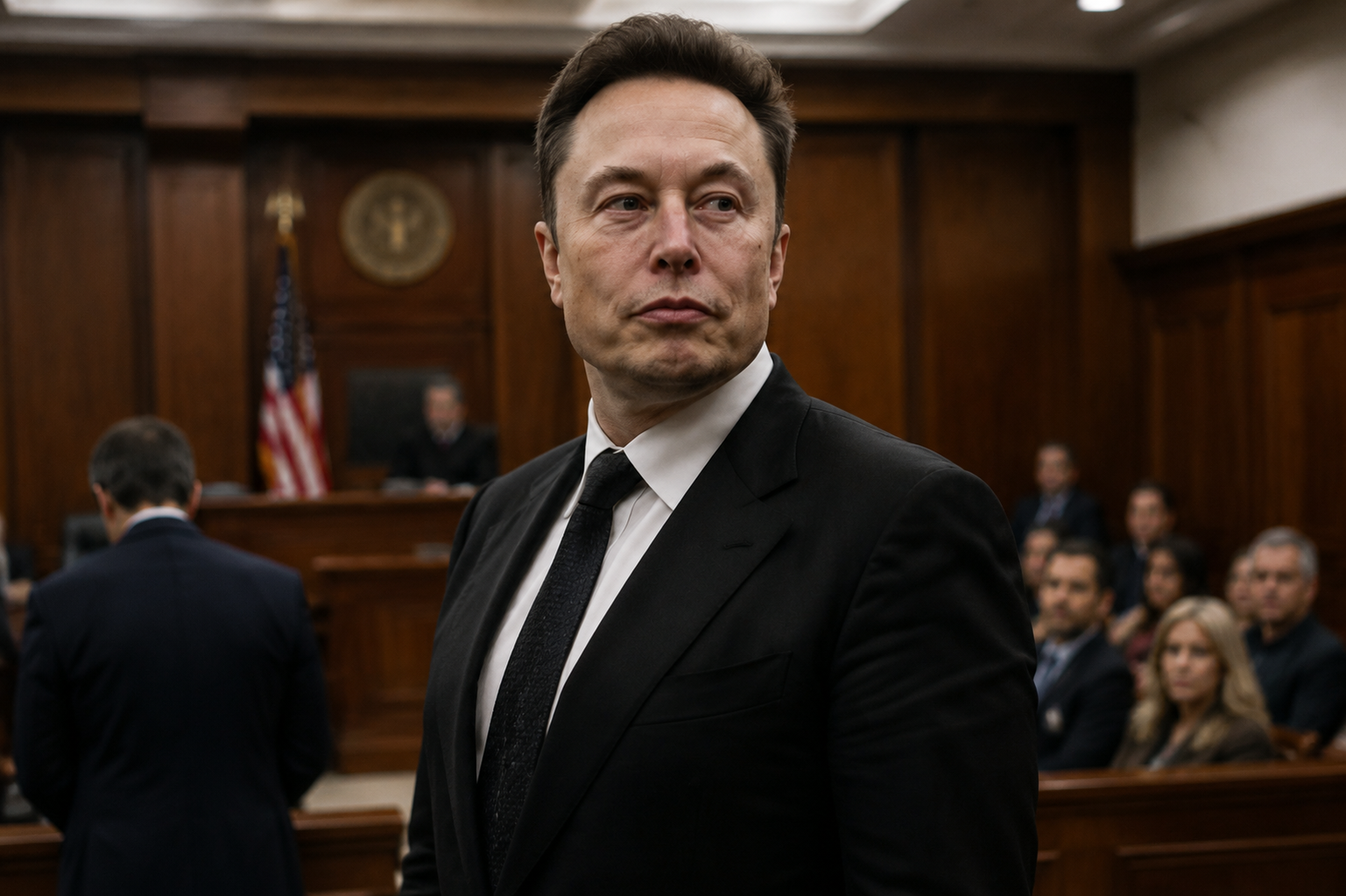
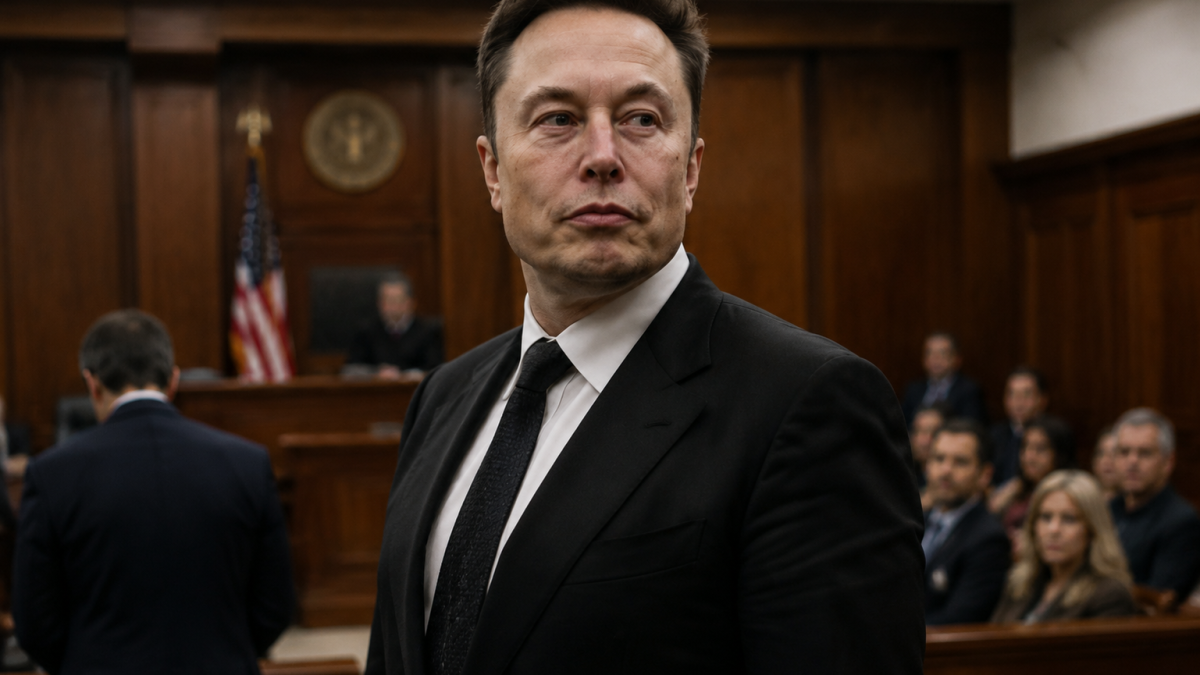
A California court delivered a major legal setback to Elon Musk after a jury rejected his claims against Sam Altman and OpenAI, dealing a blow to the billionaire’s effort to challenge the AI company’s transition into a for-profit business.
After less than two hours of deliberation, nine jurors unanimously concluded that Musk’s claims involving breach of charitable trust and unjust enrichment fell outside the applicable statute of limitations.
US District Judge Yvonne Gonzalez Rogers said she would accept the jury’s advisory verdict.
The ruling marks a significant victory for OpenAI and Microsoft, both of which had been named as defendants in the case.
The lawsuit had threatened to complicate OpenAI’s long-term corporate plans as the company continues preparing for a potential public offering.
Musk challenged OpenAI’s for-profit transition
Musk filed the lawsuit in 2024, arguing that Altman, OpenAI president Greg Brockman, and the company had violated their original commitment to operate OpenAI as a nonprofit organization focused on developing artificial intelligence “for the benefit of humanity.”
Musk co-founded OpenAI in 2015 and donated approximately $38 million to the organization before departing in 2018 following internal disagreements and a power struggle.
At the center of the case was Musk’s allegation that OpenAI executives had “stole a charity” by transforming the organization into a commercial enterprise designed to generate profits.
Musk sought damages totaling as much as $134 billion from OpenAI and Microsoft.
His legal team also attempted to remove Altman and Brockman from leadership positions and unwind OpenAI’s 2025 restructuring that expanded its for-profit operations.
Microsoft, which became an early investor in OpenAI beginning in 2019, was accused by Musk of helping facilitate the alleged breach of charitable trust.
The court dismissed the claims against Microsoft alongside the broader case.
OpenAI argued restructuring was necessary
Lawyers representing OpenAI argued during the three-week trial that Musk’s donations came without restrictions and that restructuring the company was essential to remain competitive in the increasingly expensive artificial intelligence industry.
OpenAI’s legal team also presented evidence showing Musk himself had previously discussed creating a for-profit structure if he maintained control of the company.
Attorneys additionally claimed Musk once proposed folding OpenAI into Tesla.
The defense portrayed the lawsuit as an effort by Musk to weaken a rival after launching his own competing AI company, xAI, in 2023.
During closing arguments, OpenAI’s lawyers described the case as a “pageant of hypocrisy.”
Throughout the trial, jurors heard testimony from several high-profile technology executives, including Altman, Brockman, Musk, and Satya Nadella.
Following the verdict, attorneys representing OpenAI and Microsoft reportedly celebrated inside the Oakland courtroom.
AI rivalry intensifies as IPO ambitions grow
The verdict arrives at a critical moment for both OpenAI and Musk’s business empire as competition in the artificial intelligence sector intensifies.
Earlier this year, OpenAI raised capital at a valuation exceeding $850 billion as the company continues expanding its ChatGPT ecosystem and enterprise AI offerings while competing against rivals such as Anthropic and Google DeepMind.
Meanwhile, Musk is preparing for a potential IPO involving SpaceX after the company merged with xAI earlier this year.
SpaceX was reportedly valued at approximately $1.25 trillion following the transaction.
Although Musk’s legal team reserved the right to appeal, Judge Gonzalez Rogers signaled skepticism toward future challenges, stating there was “substantial evidence to support the jury’s finding.”
The post Elon Musk loses OpenAI lawsuit as Jury backs Sam Altman appeared first on Invezz