
 By
By 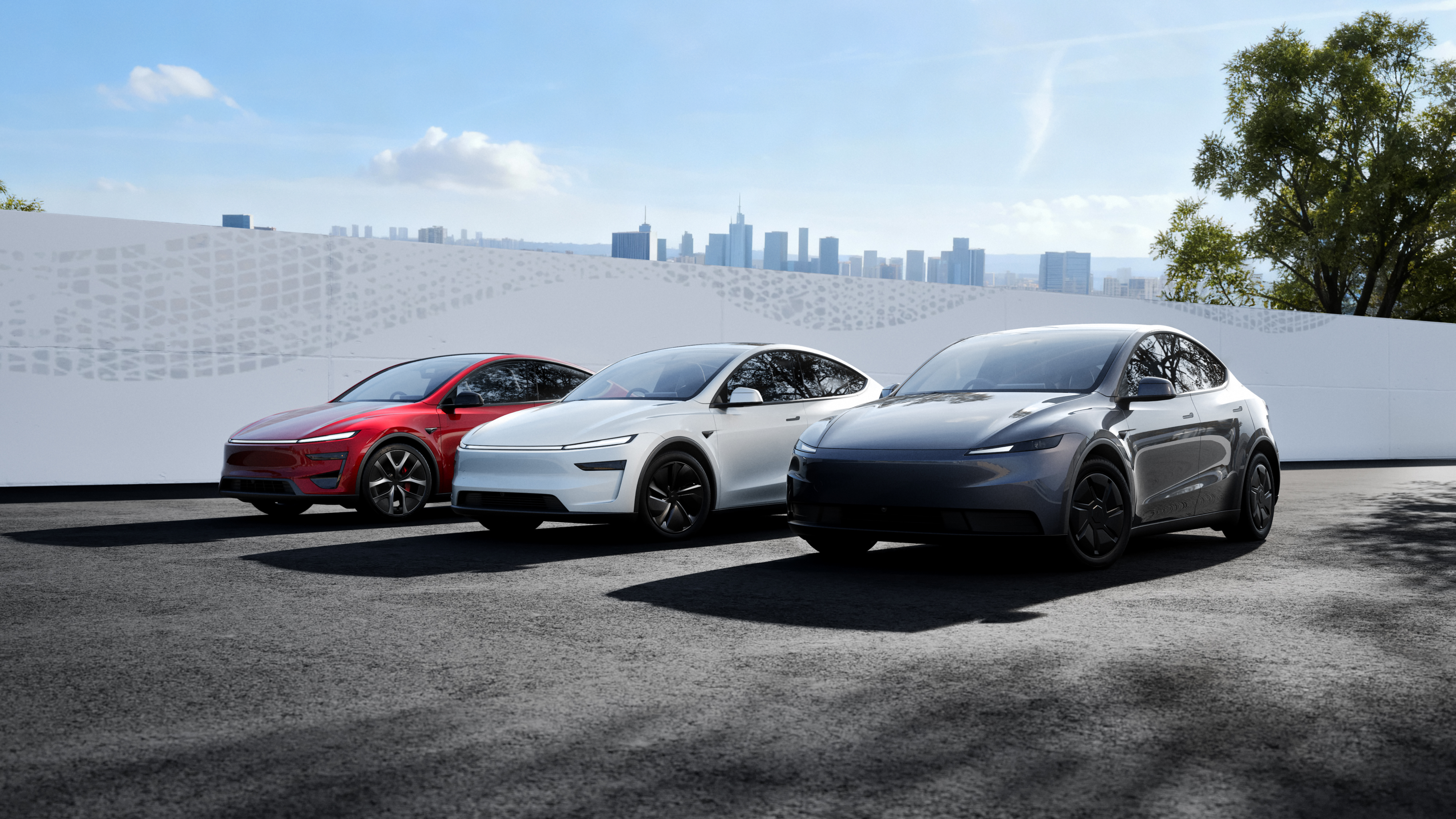
Shares of Tesla (TSLA) fell around 2% early Monday as investors reacted negatively to the company’s surprise decision to raise prices on some of its top-selling vehicles.
The stock dropped to roughly $410.50 after already sliding 4.75% on Friday, extending a pullback that interrupted Tesla’s recent rally tied to optimism around autonomous driving and China expansion.
The broader market was also weaker as investors monitored oil prices, Treasury yields, and developments surrounding tensions in the Middle East.
The S&P 500 fell 0.2%, while the Nasdaq Composite declined 0.5%. The Dow Jones Industrial Average rose 0.2%.
Tesla raises Model Y prices
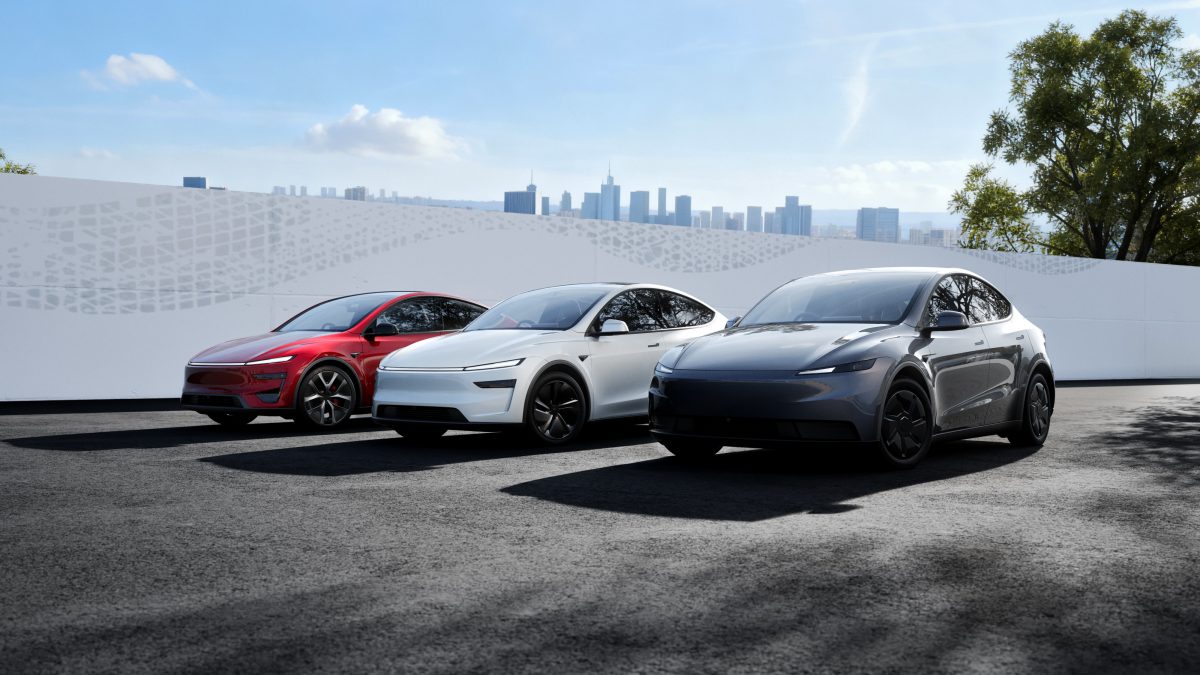
Tesla shocked investors by increasing prices for higher-end versions of its best-selling Model Y crossover.
The company raised prices by between $500 and $1,000 for premium all-wheel-drive configurations, pushing some versions closer to the $50,000 level.
Base Model Y variants remained unchanged, with starting prices around $40,000 to $42,000.
The move appears aimed at improving Tesla’s profitability after automotive gross margins rebounded to roughly 21% during the first quarter, up sharply from approximately 14% a year earlier.
Investors, however, worried the timing could backfire as the broader electric vehicle market weakens following the expiration of the US federal $7,500 EV tax credit.
Total US electric vehicle sales reportedly fell 27% in the first quarter, forcing many automakers to cut prices aggressively to maintain demand.
Average EV transaction prices have also fallen as competition intensifies across the sector.
Despite the broader slowdown, the Model Y remains the top-selling electric vehicle in the United States and accounts for roughly 36% of all EV sales nationally.
FSD optimism still supporting shares
Even with Monday’s decline, Tesla shares remain well above levels seen earlier this year.
The stock recently traded above $450 and has stayed consistently above the $400 level for several sessions — something it had not maintained since early March.
Much of the recent rally was fueled by optimism surrounding potential approval for Tesla’s Full Self-Driving software in China.
Chief Executive Elon Musk traveled to China last week as part of US President Donald Trump’s delegation.
Investors had hoped the summit with Chinese President Xi Jinping would produce meaningful progress toward FSD approval, though no major agreements emerged from the meetings.
Tesla currently charges US customers $99 per month for FSD subscriptions and reported approximately 1.3 million subscribers at the end of the first quarter.
A launch in China would significantly expand Tesla’s software revenue opportunity in one of its most important global markets.
Investors increasingly view Tesla less as a traditional automaker and more as an artificial intelligence and autonomous mobility company.
Musk’s on Robotaxi expansion
Chief Executive Elon Musk on Monday said Tesla expects to expand fully self-driving vehicles nationwide across the United States later this year, following the initial launch in Texas.
Tesla currently operates robotaxi services in Austin, Dallas, San Francisco, and Houston.
However, the rollout has faced criticism over long wait times, vehicle availability, and inconvenient drop-off locations.
Musk has continued making aggressive long-term predictions around autonomous driving, recently stating that within five to ten years, roughly 90% of all miles driven could be handled by AI-powered vehicles.
At the same time, autonomous driving technology remains under regulatory scrutiny.
Both Tesla and Waymo recently issued recalls tied to safety-related software concerns, including rearview camera delays and risks involving flooded-road navigation.
The post Why Tesla stock is down around 2% on Monday appeared first on Invezz