
 By
By 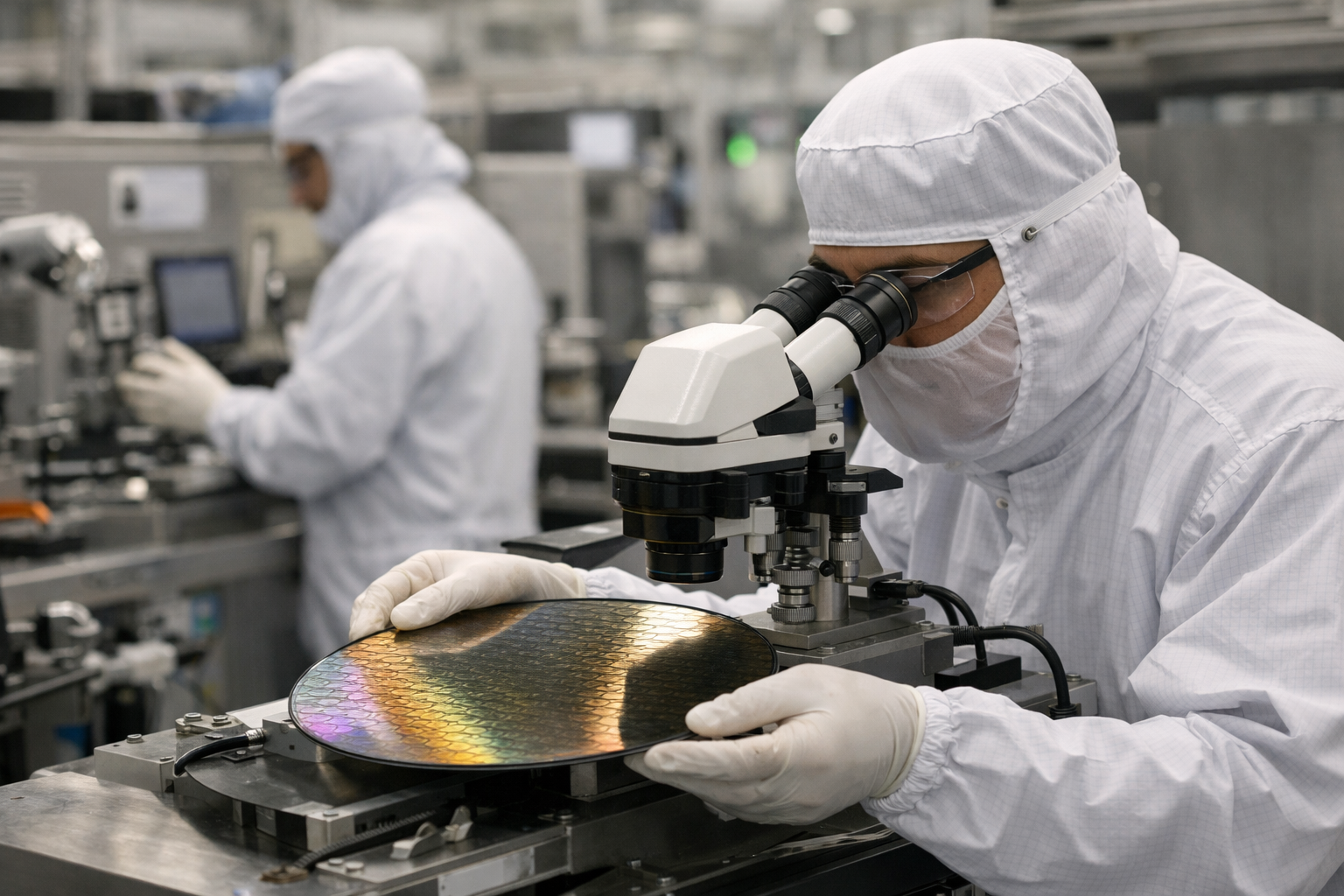
The VanEck Semiconductor ETF (SMH) is in sharp focus on Apr. 13 after the high-stakes US-Iran peace talks collapsed, dashing hopes of a diplomatic resolution in the Middle East.
SMH is now flashing technical caution as its relative strength index (RSI) hovers in the late 60s, a level that suggests the asset is rapidly approaching overbought territory and may be due for a pull-back.
VanEck Semiconductor ETF’s performance has been nothing short of explosive this month, having rallied about 20% on insatiable global demand for AI infrastructure and high-performance silicon.
Why US-Iran peace talks’ failure is significant for SMH
The US and Iran’s failure to reach a “de-escalation” agreement is significant for SMH because the semiconductor industry is far more dependent on Middle Eastern stability than most retail investors realize.
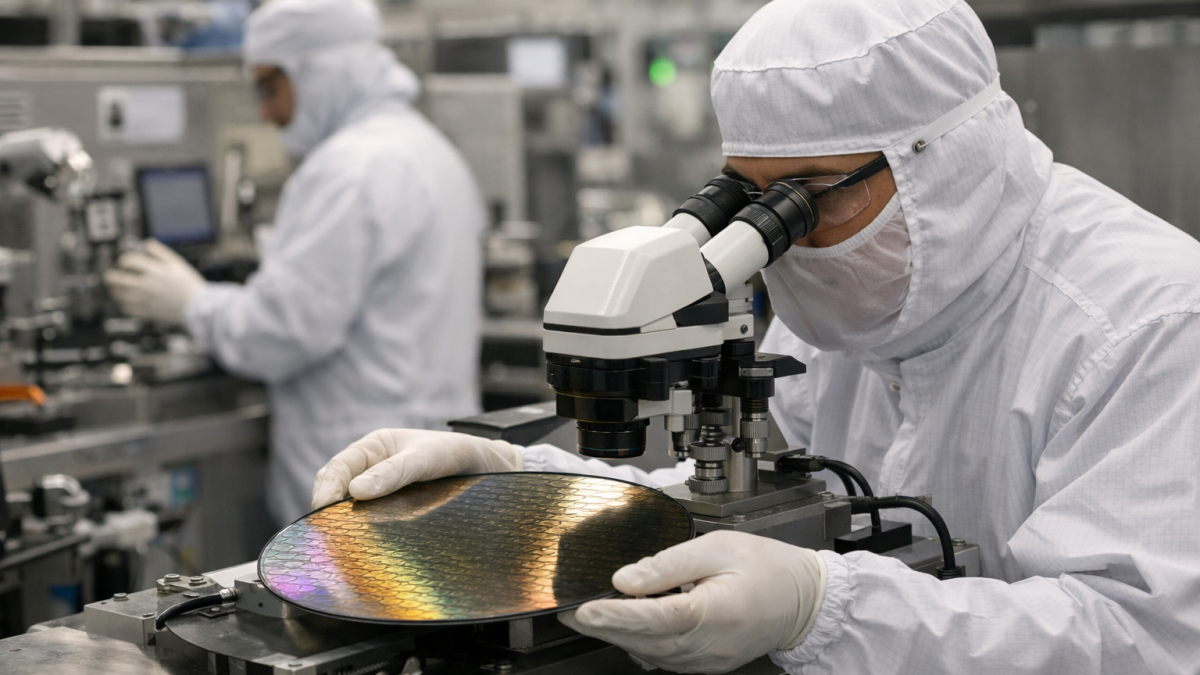
While chips are often thought of in terms of “design” and “lithography”, the manufacturing process actually requires a steady flow of noble gases and specialized raw materials – specifically helium and bromine.
Qatar produces roughly 30% of the world’s helium, a byproduct of natural gas extraction, essential for cooling the massive superconducting magnets and maintaining the ultra-clean environments in fabrication plants.
With diplomacy off the table, the risk of supply chain “choke points” has returned to the forefront.
If regional hostilities escalate, the “just-in-time” delivery of these gases could stall, threatening the production yields of SMH’s heavy hitters like TSMC and Samsung, potentially delaying the global rollout of next-gen AI servers.
What to expect from the VanEck Semiconductor ETF
The narrative has shifted dramatically as the US has signaled potential plans for a “naval blockade” to pressure Iran, but Tehran is unlikely to remain passive if such plans are executed.
A blockade of the “Strait of Hormuz” – the world’s most sensitive oil and gas artery – could trigger a broader regional conflict that may prove catastrophic for the broader tech sector.
Beyond just spiking energy costs for power-hungry AI data centers, a closure of the Strait will trap nearly 20% of the world’s liquefied natural gas (LNG) – the primary source of power for the grids sustaining East Asia’s “Silicon Shield.”
If the foundries in both Taiwan and South Korea face even momentary voltage drops due to energy shortages, tens of thousands of silicon wafers could be destroyed instantly.
For a fund like SMH, which is highly concentrated in these geographic hubs, such a conflict would transform a supply chain headache into a systemic valuation reset.
Investor outlook: navigating the volatility
As we move into this period of heightened uncertainty, the outlook for SMH remains a tug-of-war between stellar fundamentals and brutal macro headwinds.
On one hand, the AI inference era is driving record revenues, with major holdings like Nvidia and Broadcom seeing exceptional, over 50% growth rates.
On the other hand, VanEck Semiconductor ETF’s high Beta of 1.56 means it will feel the sting of geopolitical news twice as hard as the broader S&P 500 index.
From a technical perspective, investors should watch the $425 support level closely; if the rhetoric between Washington and Tehran continues to harden, we may see a migration away from high-multiple tech toward defensive havens.
While the long-term AI story remains intact, the immediate path for semiconductors is now paved with geopolitical landmines, making “volatility” the only certain forecast for the weeks ahead.
The post US-Iran peace talks fail: what’s next for VanEck Semiconductor ETF (SMH) appeared first on Invezz