
 By
By 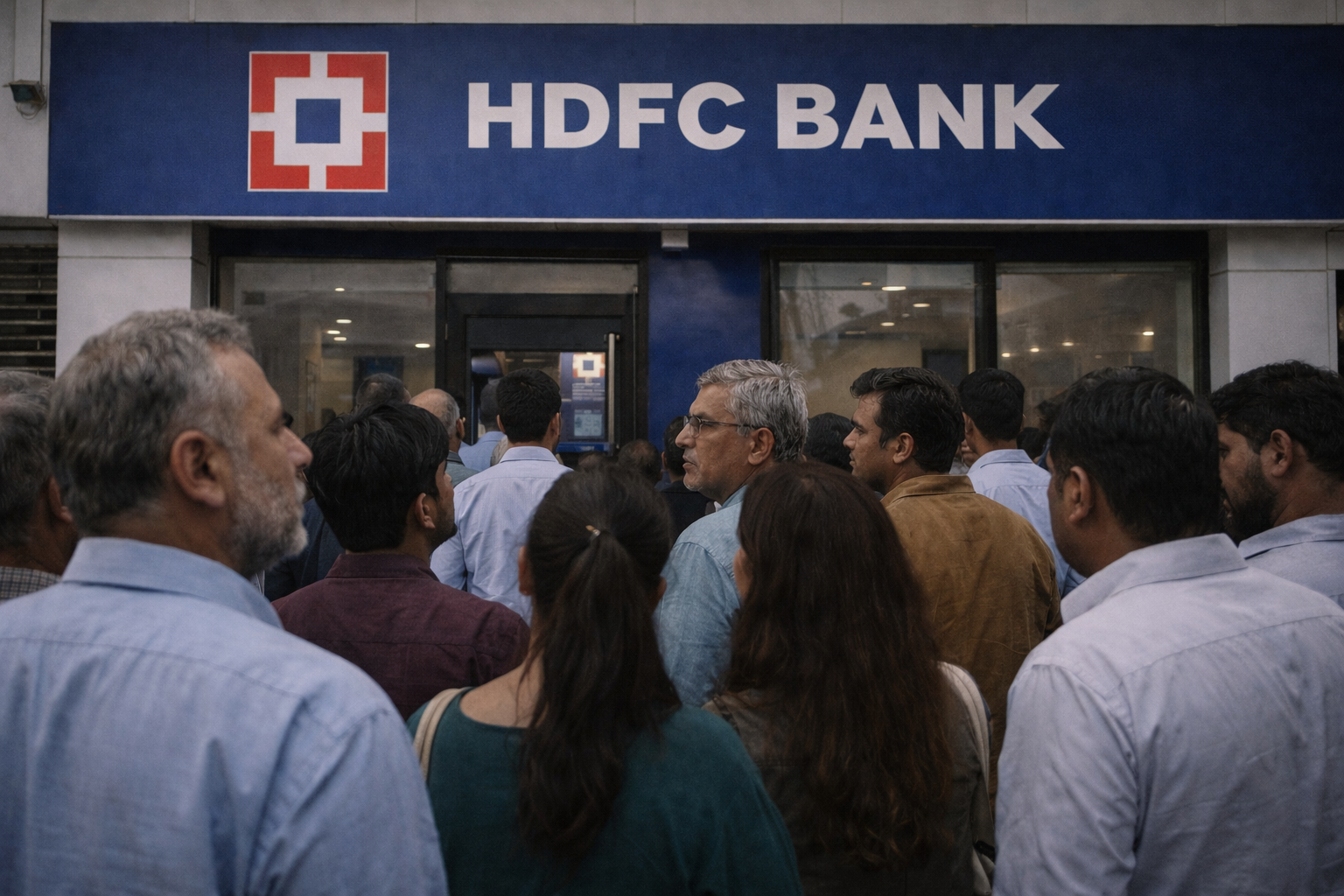
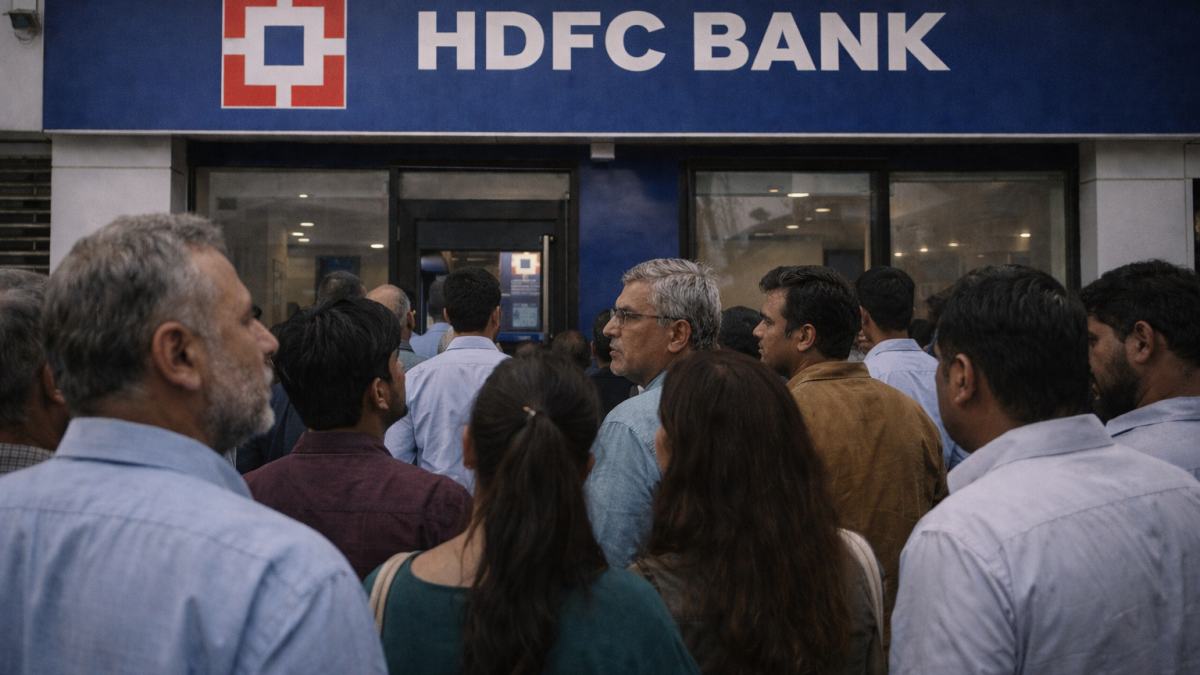
HDFC Bank’s boardroom shock has turned an already weak stock into one of the market’s biggest stress points.
Shares of India’s largest private lender plunged over 8% on Thursday after part-time Chairman Atanu Chakraborty resigned with immediate effect.
The market reaction was swift because the resignation did not come with a clear explanation.
In his letter, Chakraborty said he had observed “certain happenings and practices within the bank” over the last two years that were “not in congruence with my personal values and ethics.”
He added that there were no other material reasons for his exit.
Chairman’s exit raises red flags
HDFC Bank stock tumbled over 8% on the resignation as investors expressed shock over the delibrate lack of detail behind the Chairman’s decison.
Moreover, the bank itself looked confused, as initially in a regulatory filing it said that Chakraborty tendered his resignation on March 18, but later changed the date to March 17.
That timeline matters because it shows the resignation was formal and handled through an exchange filing rather than through rumor.
Chakraborty had been appointed as part-time chairman and independent director in 2021 and was reappointed in 2024.
The wording of his statement also invited scrutiny because it stopped just short of an allegation while still sounding serious enough to imply a governance concern.
The analysts are still deconstructing the wording of the statement and trying to determine if the exit reflects a typical boardroom disagreement or some deeper governance issues.
No regulator or company filing has publicly detailed what the “practices” were, and the bank itself has only said there were no other material reasons beyond those stated in the letter.
HDFC Bank stock already under strain
The resignation landed at a vulnerable moment for the stock.
NSE data cited in market coverage showed HDFC Bank had already fallen to a 52-week low of ₹812 on March 13, after having touched a 52-week high of ₹1,020.50 on October 23, 2025.
On Thursday, the stock crashed around 8%, but later pared some losses and its trading around ₹805 at the time of writing this report.
That meant investors were already dealing with a fragile chart and weak sentiment before the chairman’s exit turned into a fresh trigger for panic selling.
Analysts were quick to warn that the issue may not fade quickly.
They said that the development will likely keep the stock under pressure in the near term until there is more clarity, especially because the resignation came with unusually pointed language.
Mistry offers continuity, not closure
HDFC Bank has moved fast to contain the fallout.
The bank said the Reserve Bank of India approved the appointment of Keki Mistry as interim part-time chairman with effect from March 19 for a period of three months.
Mistry is a familiar figure within the broader HDFC universe, and his appointment gives the bank an experienced hand at the top.
The immediate question for shareholders is not whether the bank can fill the chair, but whether it can remove the governance cloud.
The post HDFC Bank hits 52-week low: did Chairman’s exit signal trouble? appeared first on Invezz