
 By
By 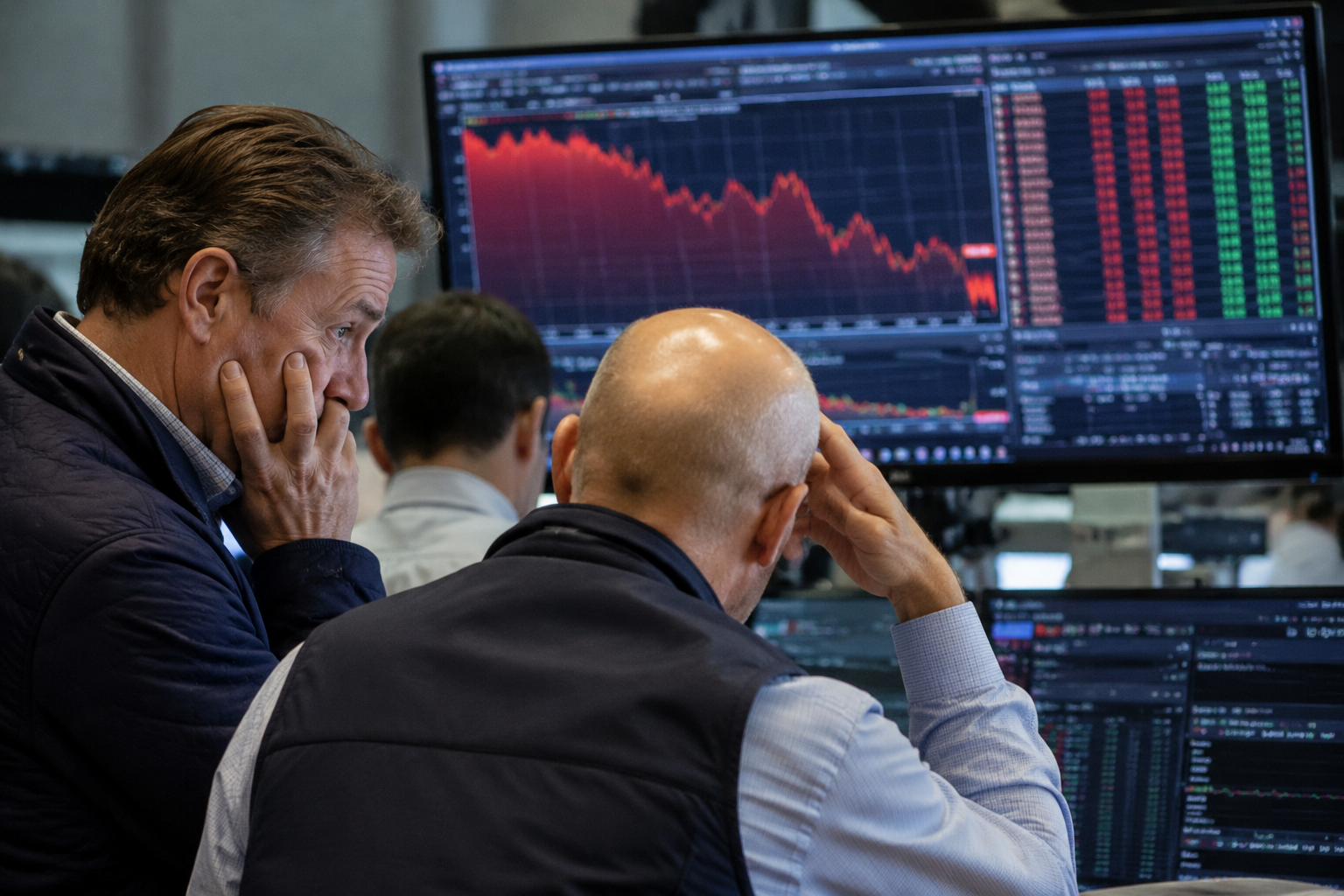
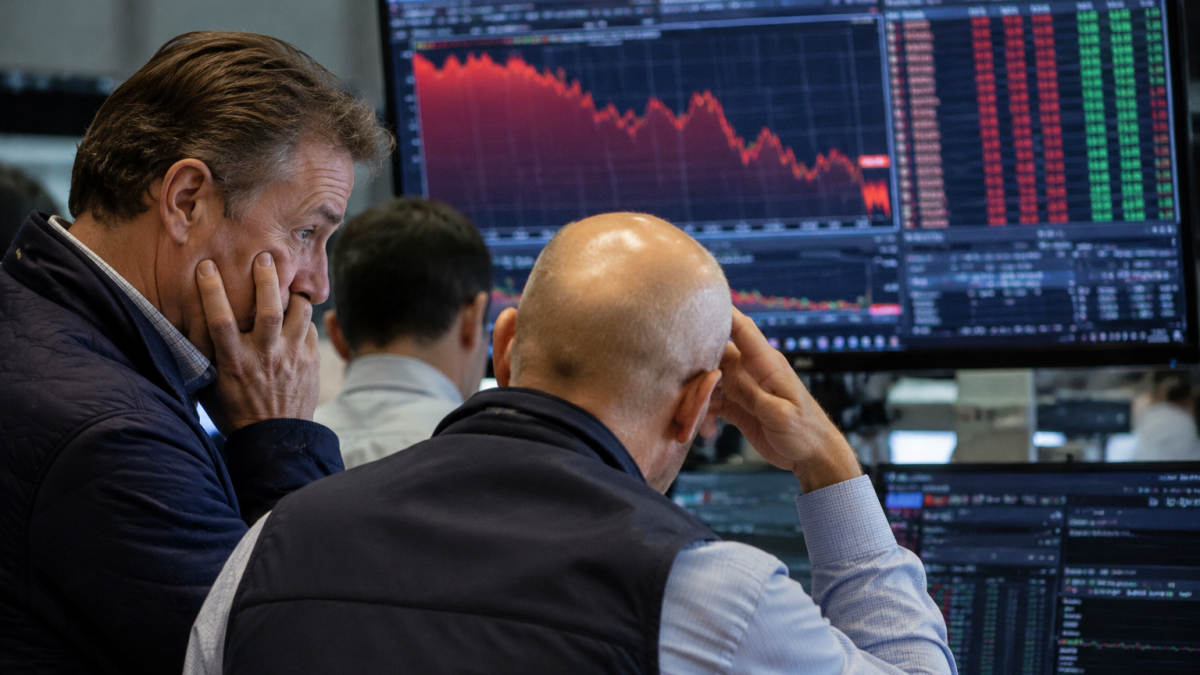
London’s major stock indexes fell more than 1% on Wednesday after US President Donald Trump said an initial agreement to end the war on Iran was over, reviving investor concerns about escalating tensions in the Middle East and the possibility of higher oil prices.
The benchmark FTSE 100 dropped 1.3% to 10,519.17 points by 1111 GMT.
The mid-cap FTSE 250 index declined 1.7%.
The FTSE 100 touched its lowest level in nearly a week, while the FTSE 250 fell to its lowest level in more than a week as investors reacted to renewed geopolitical uncertainty.
Energy stocks outperform as oil prices jump
Most sectors traded in negative territory during the session.
Defence stocks emerged as the biggest drag on the market, while the energy sector was the only segment to post gains.
Energy companies benefited from a sharp rise in crude oil prices, which climbed more than 4% after concerns resurfaced over potential disruptions to Middle East oil supplies.
BP rose 3%, making it one of the strongest performers on the FTSE 100.
Shell also advanced 1.8% as investors moved into energy stocks following the increase in oil prices.
The gains in oil-related companies, however, were not enough to offset broad-based weakness across the wider market.
Precious metals miners decline
Precious metals mining stocks fell 3.6% during the session.
The sector came under pressure after gold prices declined more than 1%.
The fall in gold reflected renewed concerns over inflation and expectations that interest rates could remain higher for longer.
The weakness in precious metals miners added to the broader decline across London’s equity market.
UK jobs market shows modest improvement
Separately, a survey of recruitment companies released on Wednesday indicated that Britain’s labour market showed signs of modest improvement last month.
The survey suggested that the downturn in the jobs market eased slightly, supported by stronger temporary hiring activity and an increase in starting salaries.
While the data pointed to some resilience in employment conditions, it did little to lift overall market sentiment, which remained focused on geopolitical developments and commodity price movements.
Individual stocks see mixed performance
Among individual companies, travel operator Jet2 surged 9.9%.
The company said tourists had become more willing to commit to travel plans following the easing of tensions in the Middle East, boosting investor confidence in the stock.
In contrast, affordable housing builder Vistry fell 6.4% after warning that it expects to report a first-half pre-tax loss of £30 million ($40 million).
IG Group gained 2.5% after the online trading platform proposed establishing a new holding company in Jersey as part of a broader strategic overhaul aimed at unlocking shareholder value.
Overall, investor sentiment remained cautious as renewed geopolitical uncertainty overshadowed signs of improvement in the UK labour market.
The post FTSE slides over 1% as Trump remarks revive Middle East tensions appeared first on Invezz