
 By
By 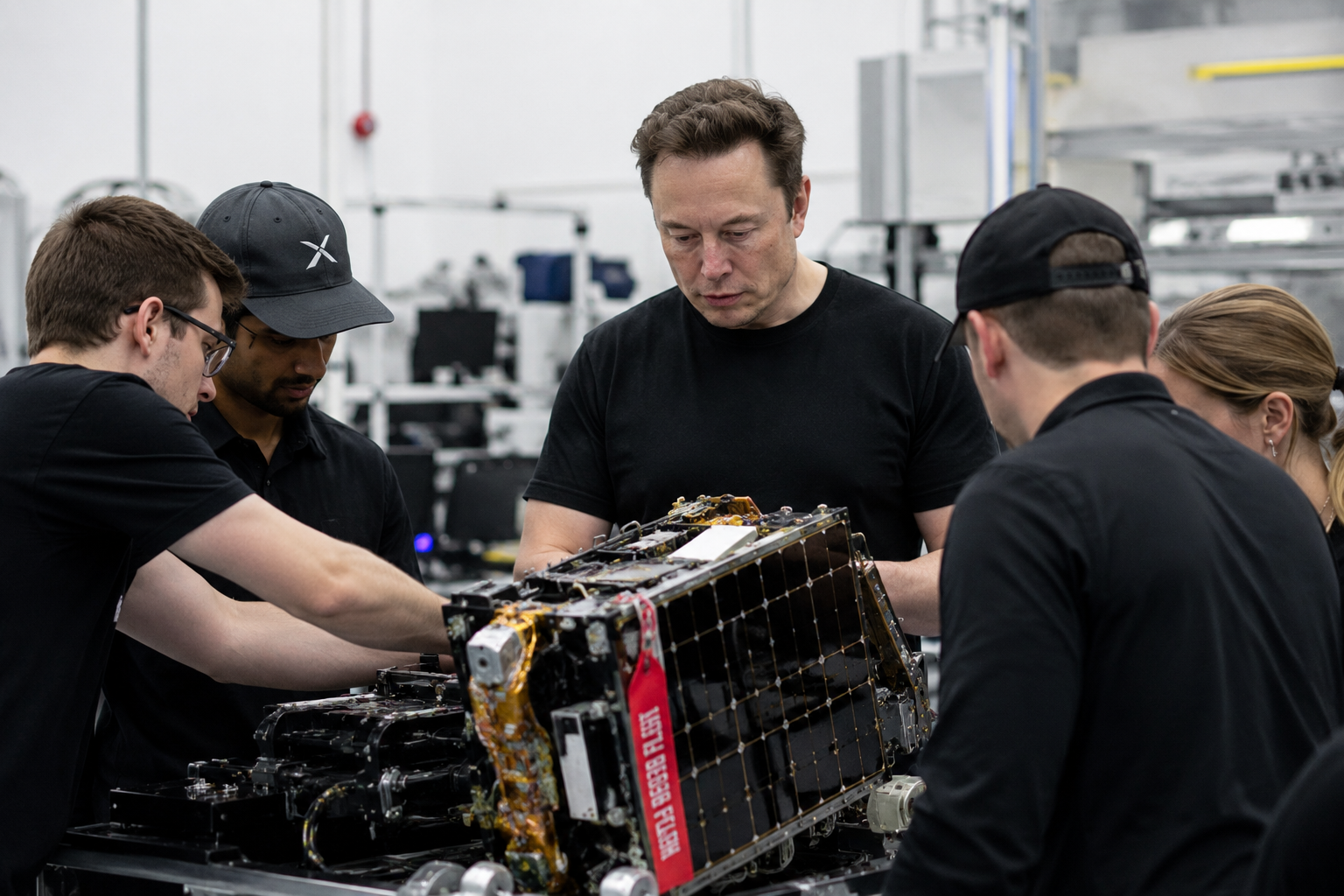
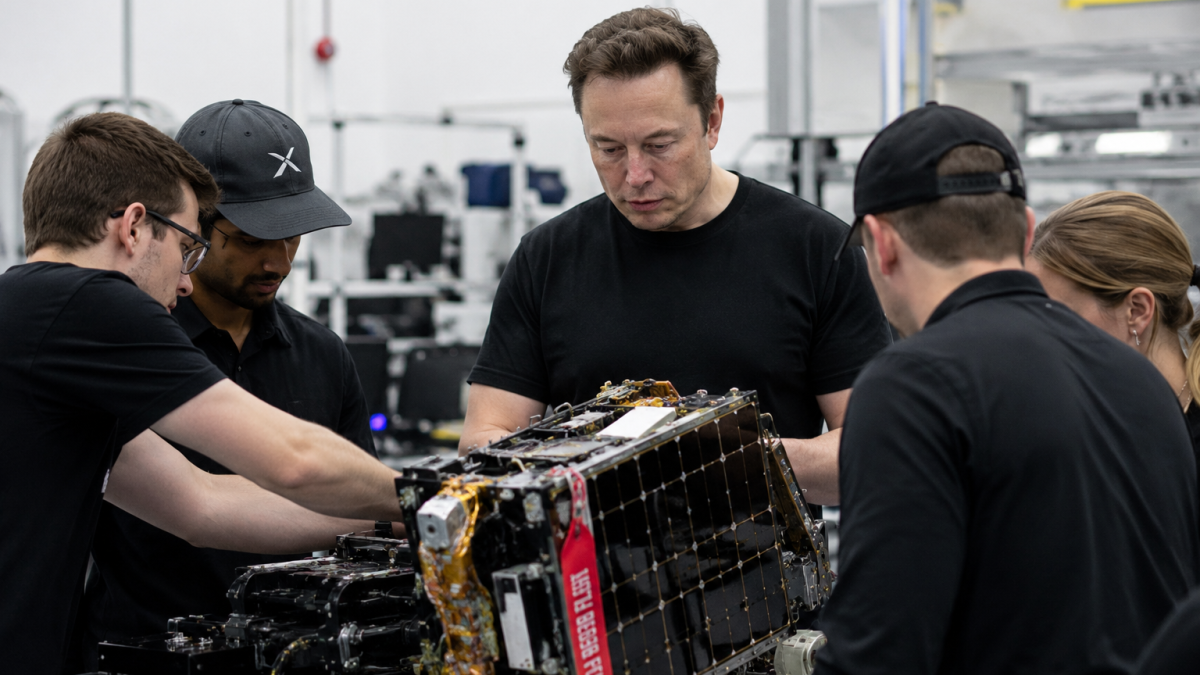
Around two weeks ago, Elon Musk’s SpaceX conglomerate went public. Everyone who is remotely interested has a fair idea of the numbers.
But in a nutshell, it was easily the biggest Initial Public Offering (IPO) in history. It also led to Mr Musk becoming the first ever trillionaire, however briefly.
Without doubt, the whole SpaceX (SPCX) IPO was a stunning success. The first trade was matched at $150, which represented a perfectly reasonable 11% premium to the issue price of $135 per share, and the stock then rallied to close out at just over $160, representing a first-day gain of 19%.
Plenty of retail investors received a small allocation and, on the Monday following the IPO, the stock then soared to just shy of $230.
Since then, it has sold off, and earlier this week, it broke below $150. That still represented a healthy premium to the IPO price, and the shares have picked up once again.
All in all, it was an impressive launch which appeared to go off without a hitch.
Meanwhile, there’s still a bit of a shakeout going on across the tech sector, particularly in semiconductor stocks.
The tech-heavy NASDAQ, along with the heavily-weighted-towards-tech S&P 500, peaked on the 2nd of June.
Both have struggled to make further upside progress ever since. Meanwhile, as June drew to a close, the old-school Dow and the small cap Russell 2000 made fresh record highs.
This looks like good news for stock market bulls as it suggests that some rotation is taking place whereby investors take profits on stocks which have outperformed recently (and the semiconductor sector has certainly done that) while ploughing the proceeds back into some overlooked, and relatively undervalued, corners of the market.
This indicates that risk appetite remains strong. US equities remain the investment of choice for the vast majority of investors, particularly within the US, where individuals have always favoured putting their savings in the stock market, where returns have been substantial, easily outpacing inflation.
But it wasn’t that long ago when US retail investors favoured holding a diversified portfolio with a mixture of growth and value plays, including dividend payers, energy, consumer staples, and the like.
Not only that, but investors would also own a chunk of bonds as well. Yet evidence suggests that there is far less diversification across portfolios than there used to be.
And very few investors would even look at the bond market these days.
In the years following the Great Financial Crisis of 2008/9, bonds soared as yields slumped as central banks around the world cut interest rates to stimulate growth.
Stock markets also soared as central banks goosed the markets with quantitative easing, and governments joined in and provided dollops of fiscal stimulus too.
That was the backdrop to the rather unusual situation where equities rallied along with bonds.
Historically, there was typically a negative correlation. This was the main reason that investors were advised to gradually reduce their exposure to equities and raise their bond holdings as they approached retirement.
But once central banks began to normalise rates, bonds underperformed. In fact, in the years after 2022, the bond market experienced one of its worst bear markets in history.
Yet, after a rocky start to 2022, equities took off in October and have been on a bull run ever since.
The trouble is that investors tend to extrapolate out, and decide that whatever has happened in the recent past is likely to go on forever.
Even if they appreciate that all bull markets end eventually, they calculate that they will see the signs well in advance and get out before everyone else. Some do.
But, once again, history shows us that many don’t. Very few investors are able to time the markets. In fact, many analysts insist that it can’t be done.
Yet there are often things which, when looked back on in hindsight, can signal, to quote Alan Greenspan, ‘irrational exuberance’.
Could the SpaceX IPO be one of those occasions? It was valued at around 95 times 2025 sales when the only profitable bit of the business is providing an internet service.
Sure, Elon Musk could end up mining asteroids, but his xAI business isn’t exactly a market leader.
When stock market returns, particularly in tech, have been so spectacular for so many years, it may be wise to reduce one’s exposure, even at the risk of missing out on a few extra percentage points of gains.
And maybe it’s time to take a look at bonds again.
They’ve been overlooked for a long time now. And there’s always the possibility that the Federal Reserve under Kevin Warsh may soon be sounding less hawkish now that oil prices are coming down.
(This is a fortnightly column by David Morrison. He is a Senior Market Analyst at Trade Nation. Views are his own.)
The post Column: was SpaceX IPO the peak of the AI bull market? appeared first on Invezz