
 By
By 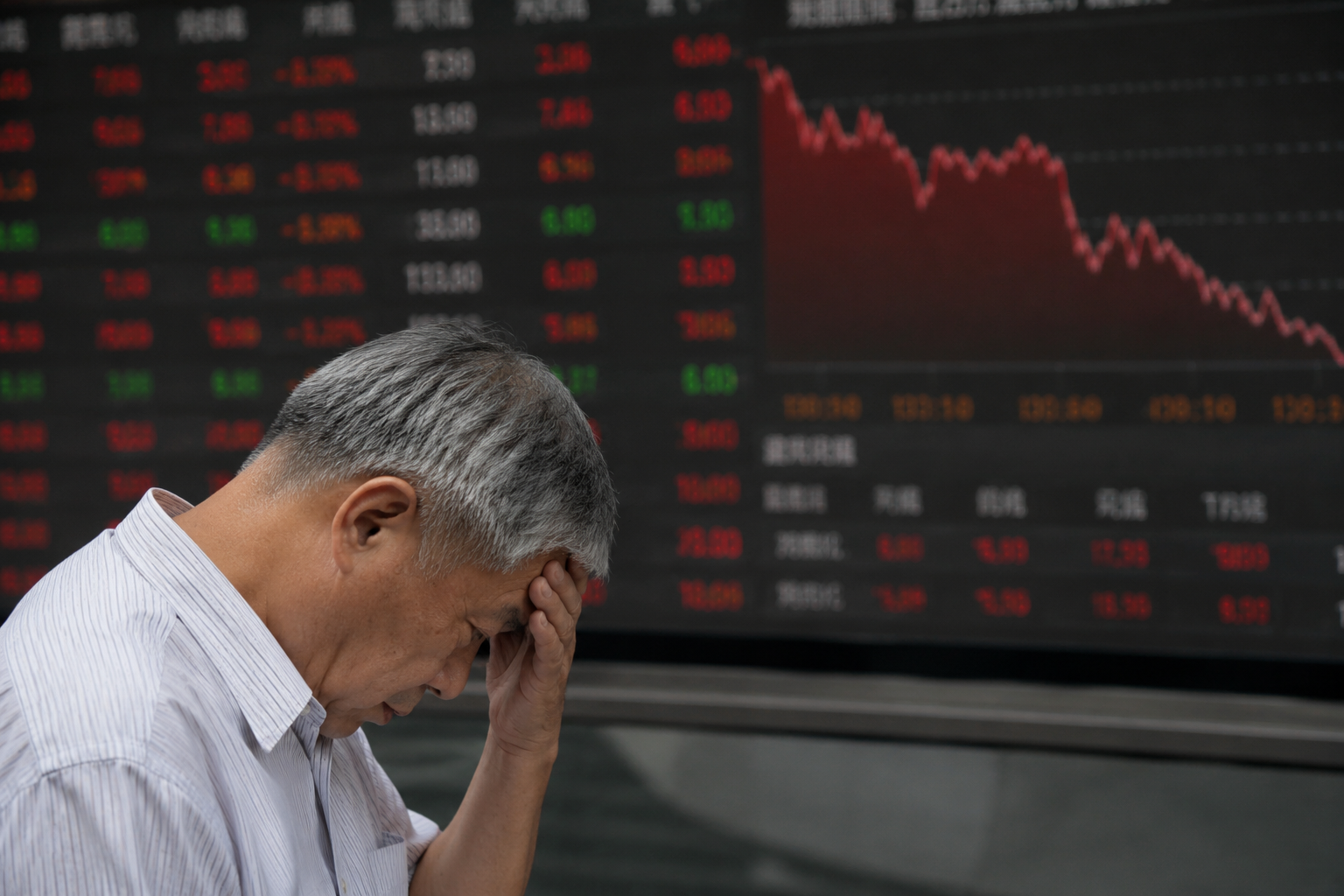
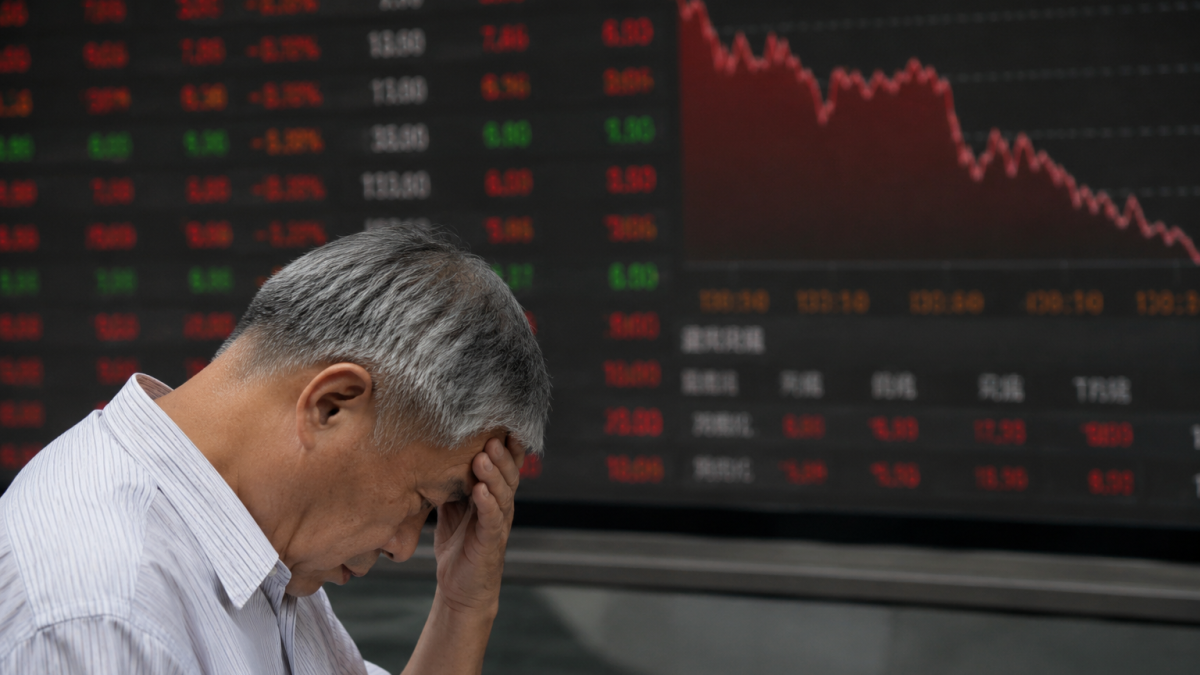
Asian stock markets eased slightly on Friday after a week of strong gains driven by chipmakers and artificial intelligence-linked stocks, while oil prices surged following renewed military exchanges between the United States and Iran.
MSCI’s broadest index of Asian shares outside Japan fell 0.8%, though the regional benchmark still remained near record highs after a sharp rally earlier in the week.
South Korea’s KOSPI also slipped 0.8%.
Shares of Samsung and SK Hynix continued to benefit from growing optimism around AI demand.
Taiwan’s benchmark index gained 6.9% this week, while Japan’s Nikkei advanced 4.5% during the same period.
Oil jumps as US and Iran exchange fire
Oil prices moved higher after the United States and Iran exchanged fire on Thursday in what was described as the most serious challenge yet to their month-long ceasefire.
Benchmark Brent crude futures rose 1.3% to $101.60 a barrel as investors monitored the risk of a broader escalation in the Middle East.
Despite the clashes, Iran later said the situation had returned to normal, while the United States stated it did not want the conflict to intensify further.
US President Donald Trump said the ceasefire remained in effect, helping support market hopes that the tensions could still be resolved diplomatically.
SoftBank weighs on Japanese shares
Japan’s Nikkei index slipped 0.4% on Friday morning, pressured by losses in SoftBank shares.
The decline came after Arm Holdings, in which SoftBank is the majority owner, warned about potential supply challenges for its new artificial intelligence chip.
Currency markets remained broadly stable.
The US dollar recovered from recent lows, while the Japanese yen stayed under pressure despite suspected intervention from Japanese authorities.
The yen traded at 156.9 per dollar after struggling to hold gains beyond the 155 level.
Market participants suspect Japan has intervened with nearly $70 billion since last Thursday to support its currency.
The euro traded at $1.1731, while the Australian dollar stood at $0.7210.
China’s yuan, which has been Asia’s best-performing currency since the conflict began, hovered near its strongest level since 2023 and approached the 6.8 per dollar mark.
Focus shifts to US jobs report and UK elections
Investors were also awaiting the US non-farm payrolls report due later on Friday.
According to a Reuters survey of economists, US payrolls are expected to have increased by 62,000 in April after rising 178,000 in March.
Markets were also watching local government elections in Britain, where weak results for the ruling Labour Party were widely anticipated.
Investors are concerned that poor election outcomes could increase political pressure on Prime Minister Keir Starmer and weigh on Britain’s gilt market.
Sterling remained steady around $1.36.
Treasury yields, which rose alongside oil prices on Thursday due to inflation worries, were little changed on Friday.
The benchmark US 10-year Treasury yield stood at 4.39%.
Australian 10-year bond yields climbed six basis points to 4.99%.
Bitcoin traded at $79,460, moving closer to recording a sixth straight weekly gain.
The post Asian stock markets dip as geopolitical risks weigh on investors appeared first on Invezz