
 By
By 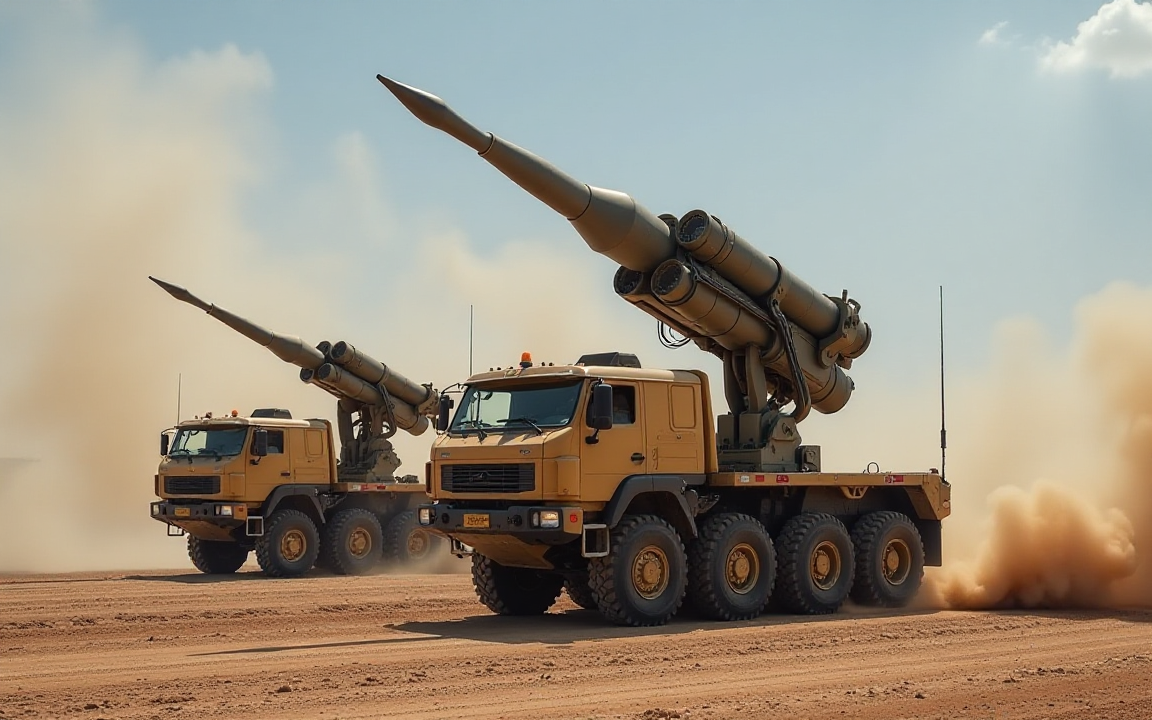
Volkswagen is in discussions with Rafael Advanced Defence Systems over a potential agreement to convert one of its German factories to produce missile defence components, the Financial Times reported, citing people familiar with the discussions.
The proposed partnership would involve repurposing Volkswagen’s Osnabrück plant in Lower Saxony to manufacture parts for Israel’s Iron Dome air defence system, according to the report.
If completed, the deal would mark a shift for Europe’s auto sector, where companies are grappling with declining profitability, rising Chinese competition and a slower-than-expected transition to EVs.
Plan aims to preserve jobs
The Osnabrück facility, which employs about 2,300 workers, has been under threat of closure as Volkswagen restructures its operations.
The two companies aim to preserve all jobs at the plant and potentially expand employment, according to the Financial Times.
One person familiar with the discussions told the publication that the goal was “to save everybody, maybe even to grow,” while adding that workers would ultimately decide whether to participate in defence-related production.
The German government is also supporting the proposal, according to the report.
What the plant would produce
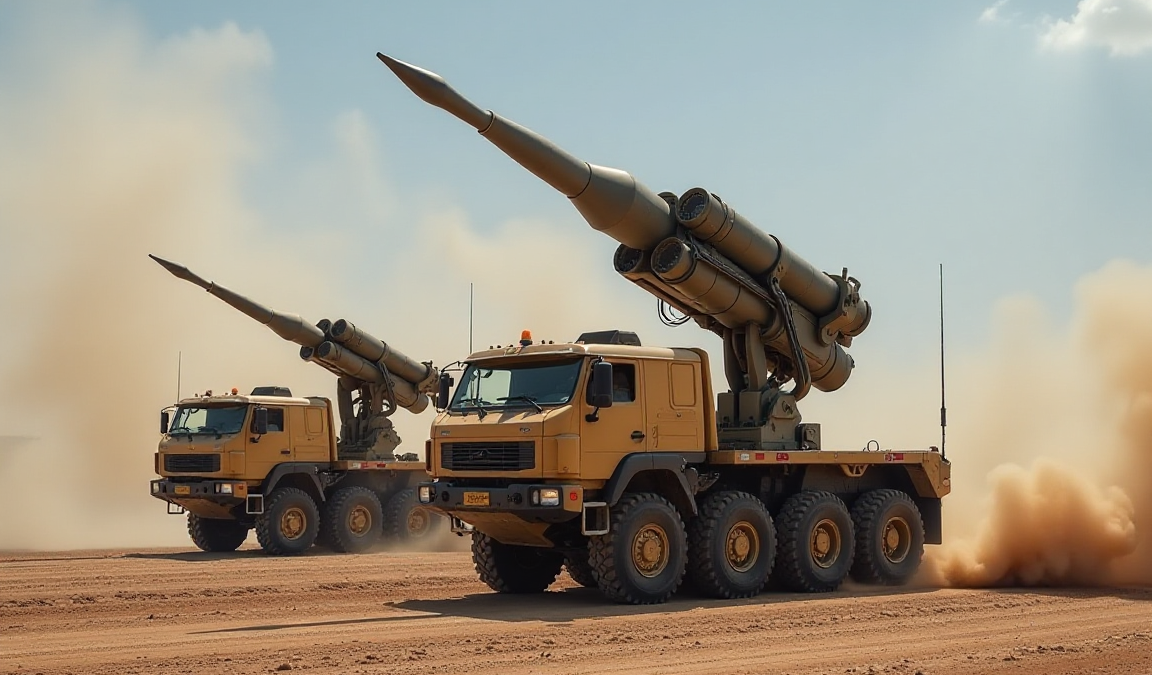
Under the plan, the Osnabrück factory would manufacture key components of the Iron Dome system, including heavy-duty trucks used to carry missiles, launchers and electricity generators.
The plant would not produce missiles itself. Instead, Rafael is expected to set up a separate facility in Germany dedicated to missile production, the report said.
The transition is expected to require limited additional investment, with existing manufacturing capabilities adaptable to defence production.
Production could begin within 12 to 18 months, provided workers agree to the transition, according to the Financial Times.
The concept is based on combining established Israeli defence technology with German manufacturing capacity to accelerate the deployment of air defence systems.
Europe’s rearmament drives demand
The discussions come as European governments ramp up defence spending in response to heightened geopolitical tensions, particularly following Russia’s invasion of Ukraine.
Germany plans to spend more than €500 billion on defence by the end of the decade, with air defence identified as a key priority.
Rafael is targeting European customers for the Iron Dome system, with Germany seen as a strategic production base due to its political support for Israel and industrial capacity, the report said.
Volkswagen already has limited exposure to defence manufacturing through a joint venture between its subsidiary MAN and Rheinmetall, which produces military trucks.
However, a direct role in missile defence production would mark a more substantial return to defence manufacturing for the company.
While Israel credits Iron Dome with intercepting more than 90% of incoming rockets, some experts have questioned its suitability for European defence needs, given its relatively short range of about 70 kilometers and its primary use against short-range threats.
Broader industry shift
The potential partnership underscores a broader shift among European manufacturers seeking to utilise excess industrial capacity for defence production.
Volkswagen has been evaluating options for the Osnabrück plant as part of a cost-cutting plan agreed in 2024, under which vehicle production at the site is set to end next year.
The company also expects about 35,000 workers to leave by 2030, though the departures are planned to be voluntary.
The post Volkswagen in talks to convert German plant for missile defence production appeared first on Invezz